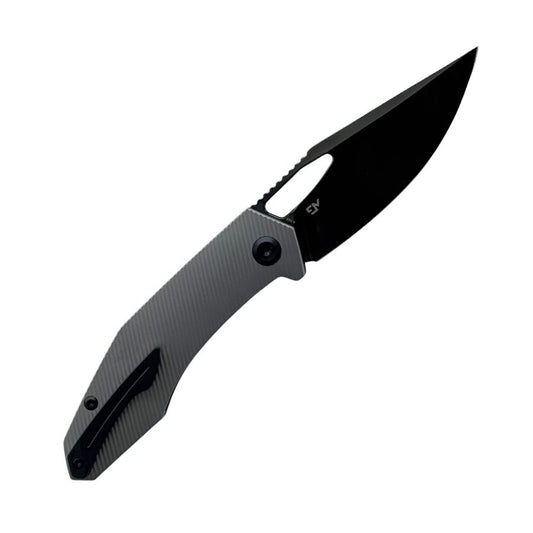
Why a Sharp Knife Is Actually Safer Than a Dull One
One of the most misunderstood things about knives is the idea that a dull blade is somehow “safer” than a sharp one. To someone unfamiliar with blades, that assumption makes sense at first glance. A sharp knife sounds dangerous. A dull knife sounds harmless.
In reality, it’s the opposite.
A properly sharpened knife is more predictable, more controllable, and far less likely to cause the kinds of accidents that happen every day in kitchens, garages, job sites, and outdoors. People who spend real time using knives understand this quickly. The danger often doesn’t come from sharpness itself. It comes from loss of control.

The Problem With Dull Knives
A knife is a cutting tool. Its job is simple: separate material cleanly and efficiently.
When a blade is dull, it struggles to do that. Instead of biting into the material naturally, it slides, tears, drags, or skips across the surface. To compensate, people instinctively apply more force. More pressure means more tension in your hands, wrists, and body. That extra force also increases the chance that the blade suddenly slips once it finally breaks through.
That’s where accidents happen.
The most serious knife injuries don’t happen because a blade was “too sharp.” They happen because the user lost control of the knife’s movement.
A dull edge is unpredictable. A sharp edge is precise.
Sharp Knives Require Less Force
This is the part many people overlook... including these guys 👇
lol... my inspiration for this article 🤣🤣🤣
A sharp knife cuts because the edge geometry is doing the work. You do not need to "muscle" through the material. Everyday tasks like breaking down cardboard, slicing food, cutting rope, or working through zip ties, require dramatically less effort.
Less effort means:
- Better control
- Less fatigue
- Smoother cuts
- More accuracy
- Lower chance of slipping
The sharper knife feels more dangerous until you actually use it. Then you realize it is calmer, smoother, and easier to manage.

Clean Cuts vs. Tearing
Sharp blades also cut cleaner.
A dull knife tears material instead of slicing through it. That applies to everything you might be cutting. Clean cuts are generally easier to manage and to be precise with... this is one reason surgeons use extremely sharp scalpels. Precision matters.
Sharpness is not the enemy. Lack of control is.
Knife Maintenance Is Part of Safety
Owning a knife responsibly means maintaining it responsibly.
A good edge does not mean turning your knife into a razor just for bragging rights. It means keeping the blade in a condition where it performs consistently and predictably.
Even the best blade steel eventually loses its edge. That is normal. What matters is understanding when maintenance is needed and not waiting until the knife becomes frustrating to use.
At Orbital Knives, we believe a knife should feel dependable. A properly sharpened knife gives the user confidence because the tool behaves the way it should. No fighting it. No unnecessary force. No surprises.

The Real Goal Is Control
A sharp knife is not safer because it is less capable of causing injury. Obviously, any knife deserves respect.
It is safer because it behaves predictably.
It cuts when and where you expect it to cut. It requires less force. It gives the user more control over the task at hand. That control is what reduces accidents.
People unfamiliar with blades often focus only on the potential danger of sharpness itself. People who actually use knives regularly understand that the real danger usually starts when a blade stops being sharp enough to do its job properly.
We Don’t Ship Dull Knives
We ship our knives sharp on purpose. If dull knives were actually safer, every company would send their blades out barely sharpened. We never want someone getting injured using one of our knives, which is exactly why edge quality matters so much to us.