
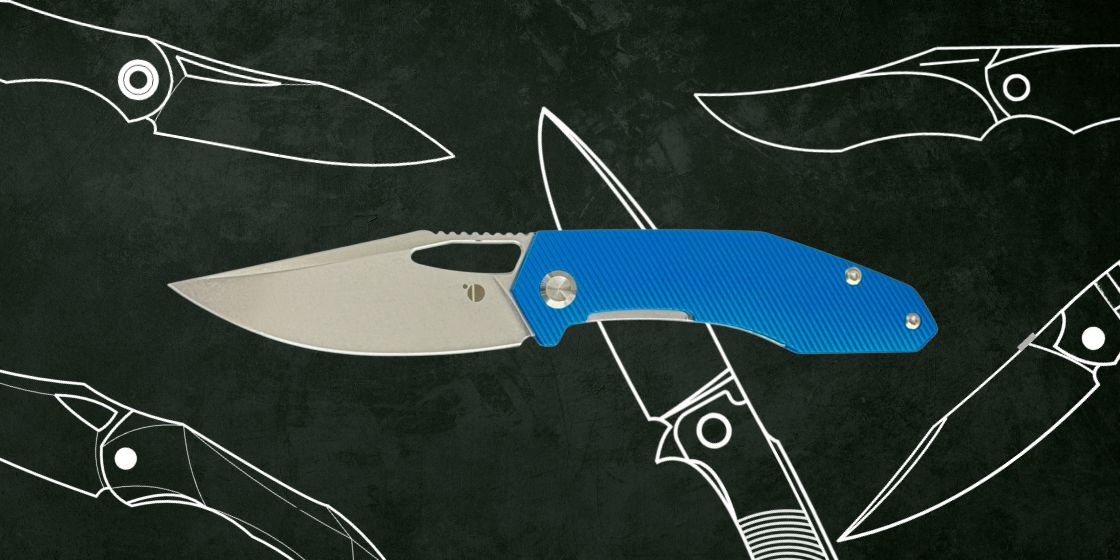
The pocket knife industry has no shortage of talented designers. Every year, we see new blade shapes, interesting handle designs, innovative mechanisms, and manufacturers pushing the limits of what can be produced. Yet, despite all this creativity, the knives that consistently sell tend to look remarkably similar.
Drop point blades, clean handle lines, familiar locking mechanisms, and relatively conservative proportions dominate the market. There is a reason for that, and it has less to do with what designers are capable of creating than what customers are willing to purchase.
The knife industry has a creativity problem, but perhaps not in the way you might think.
The Safest Designs Are Often the Best Sellers
Take a look at the most popular modern folding knives. You'll notice certain characteristics appearing over and over again. A practical drop point blade, a relatively straight handle, and an overall silhouette that feels familiar.
These designs sell because they work. A drop point is versatile, easy to understand, and practical for everyday tasks. A clean handle appeals to a broad audience and typically provides a comfortable grip.
There is nothing inherently wrong with any of this. In fact, there's a lot to admire about a well executed, straightforward pocket knife. The problem begins when commercial success becomes the primary consideration behind every design decision.
If a knife company knows that a conventional drop point with a simple handle will sell more units than something unusual, the business decision seems obvious. Why take a chance on a design that might sit in inventory when a familiar shape has already proven itself?
Multiply that decision across dozens of manufacturers, and the result is an industry filled with knives that are technically different but visually very similar.

Creativity Is a Financial Risk. My Experience
I won't mention the knife company, but I recently submitted a knife design to be produced and sold under their brand. The design was well received and accepted almost immediately. There was, however, one request: "The blade shape is too risky."
The project is still moving forward, but not quite as I originally envisioned it. The blade shape, which was an important part of the design, will have to be changed to something more conventional.
Part of me wonders if we should move forward with the project at all. After all, the original design was created with a specific vision in mind, and changing it to make it more commercially appealing feels like a compromise.
On the other hand, I understand the business side of the decision. A more familiar blade shape might be the financially safer choice, and perhaps that's the right place to start. If the knife sells well, it could open the door to a future variation featuring the original blade shape I intended.
The Difference Between What Enthusiasts Praise and What They Buy
One of the most interesting contradictions in the knife community is the relationship between originality and purchasing behavior.
Enthusiasts frequently ask for something different. They criticize repetitive designs and complain that too many companies are producing similar knives. When a manufacturer introduces something truly unusual, however, the response can be divided.
Some appreciate the originality. Others immediately question the ergonomics, blade shape, ease of sharpening, or practicality. Those concerns are often legitimate. A knife still needs to function as a tool. Creativity should never become an excuse for poor design.
The Drop Point Isn't the Problem
It's worth making one thing clear. There is nothing wrong with a drop point blade or a clean, simple handle. Some of the best pocket knives ever designed follow that formula.
The problem isn't that these designs exist. It's that their commercial success can discourage companies from exploring alternatives. When every manufacturer studies what sells and develops products around those same characteristics, innovation becomes secondary to predictability.
Eventually, the industry risks becoming a competition over small variations of the same basic product. Different steel, different handle material, slightly different dimensions, another variation of an already familiar silhouette.
Those improvements have value, but they aren't necessarily creative progress, and for collectors who appreciate design as much as functionality, endless variations of the same formula can become uninteresting.
Can Originality and Commercial Success Coexist?
Of course they can. But finding that balance is difficult.
A successful design doesn't have to be conventional, and an original design doesn't have to be extreme. Sometimes a distinctive handle contour, an unexpected blade profile, or a subtle change in proportions is enough to give a knife its own identity.
The challenge is knowing how far to push those ideas.
Too little creativity, and the knife disappears among hundreds of similar products. Too much, and the potential audience may become considerably smaller.
For us, design is one of the reasons we entered this industry in the first place. We enjoy exploring shapes, proportions, and details that give a knife personality. But we're also a business, and we understand that a design people admire isn't always a design people will purchase.

That tension is real. It's something independent knife brands have to consider every time they introduce a new model. We believe there's room for knives that look different without sacrificing functionality. We also recognize that not every creative idea will become a commercial success.
So, Who Is Really Holding Back Creativity?
It's easy to blame knife companies for playing it safe, but manufacturers are simply responding to what sells. Every purchase tells the industry what customers want, and unfortunately, originality doesn't always translate into sales.
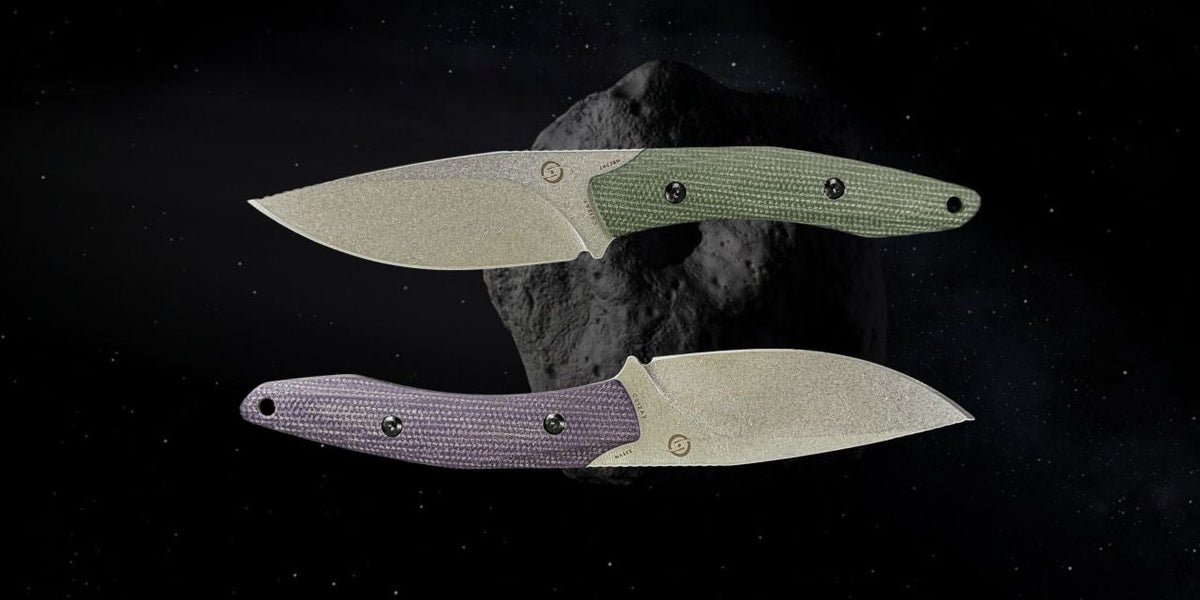
At Orbital Knives, we'll continue exploring designs that excite us, even knowing that some may never become best sellers. We believe there's room for creativity without sacrificing functionality.
But it leaves us with one question: Do knife enthusiasts actually want more original designs?

Leave a comment
This site is protected by hCaptcha and the hCaptcha Privacy Policy and Terms of Service apply.